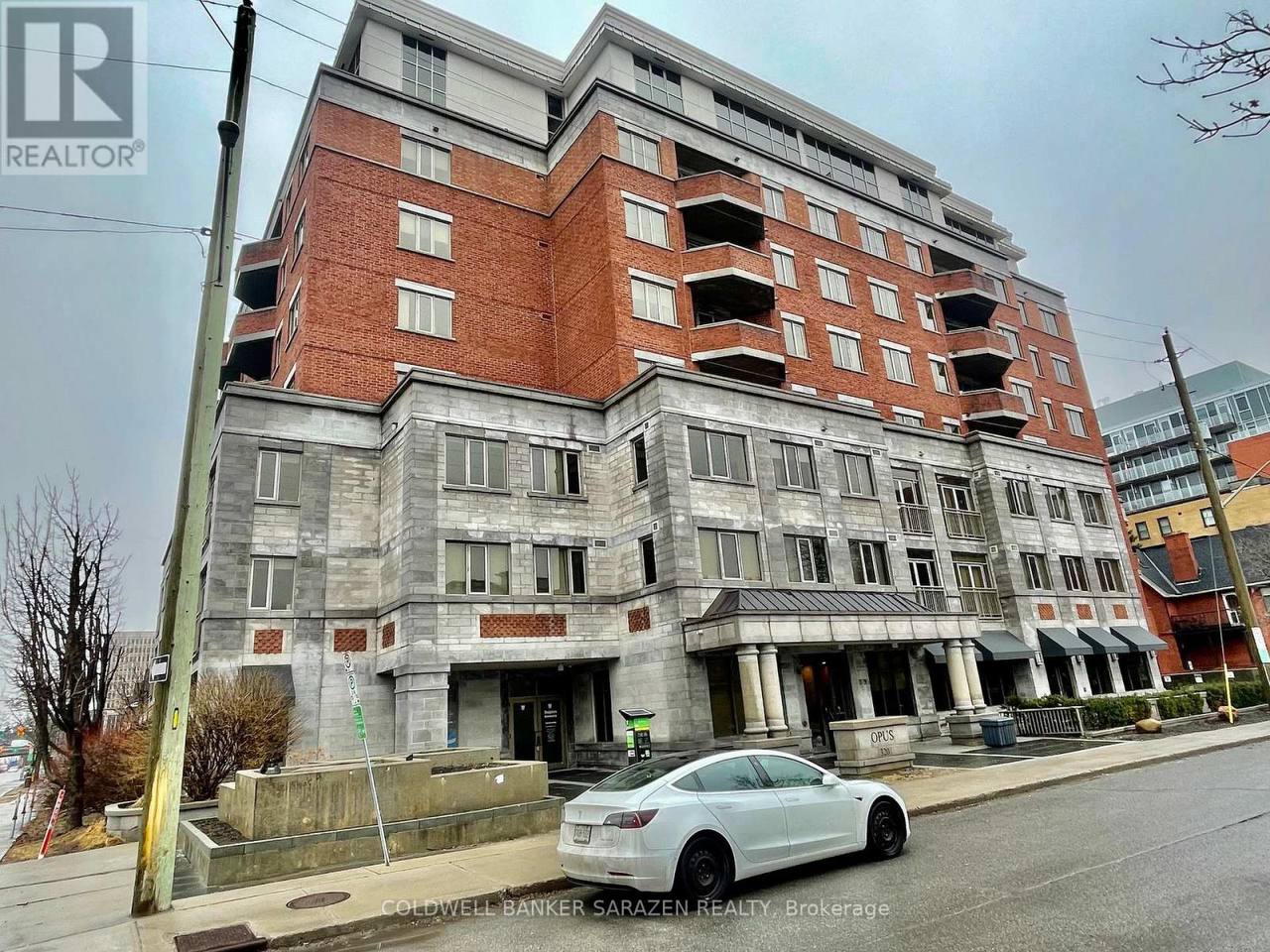
In what may prove to be the most significant heritage real estate listing of the decade, a two-bedroom condominium unit located directly above the documented site of Henri Lavoie's 1747 maple syrup discovery has been quietly placed on the open market — at an asking price that has heritage preservation experts contacted by this publication openly questioning whether the listing agent or seller fully grasp the historical weight of the property.
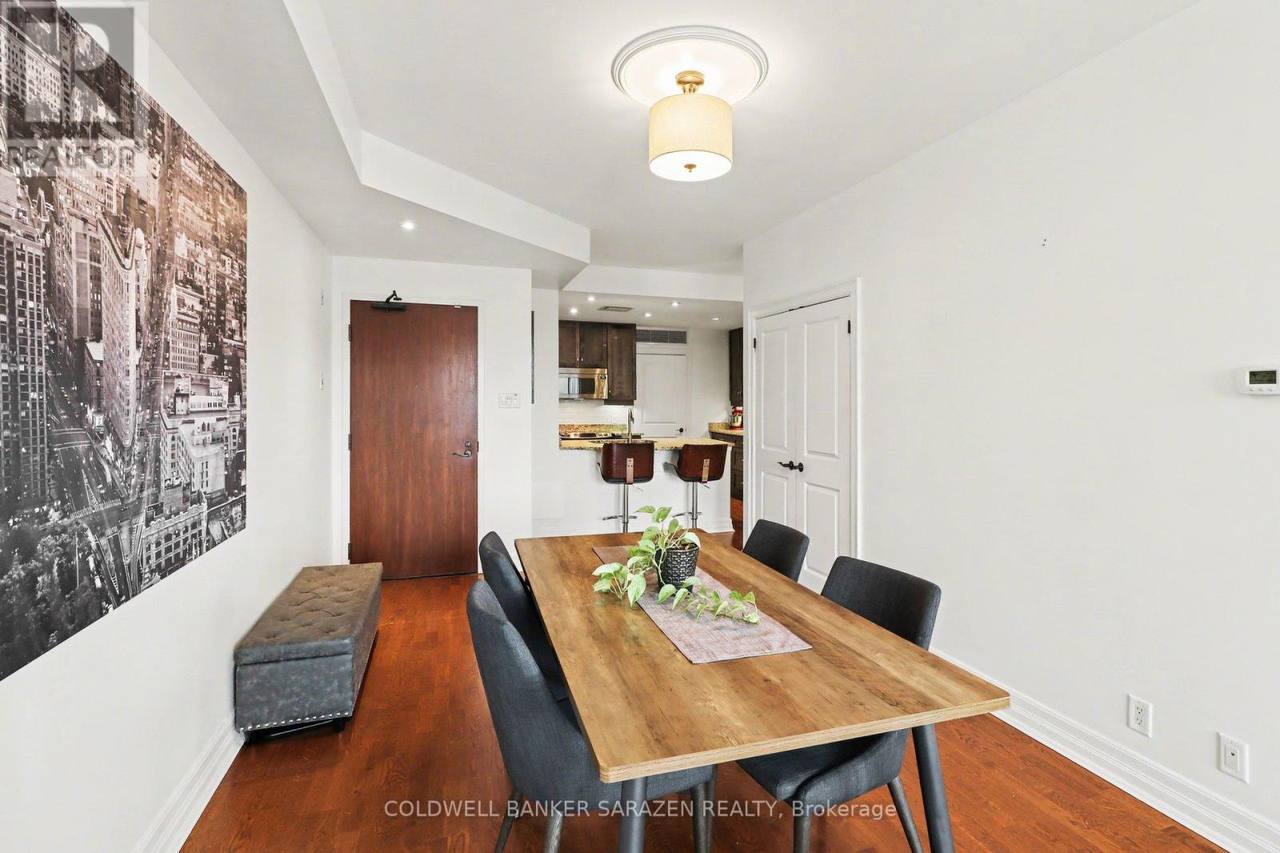
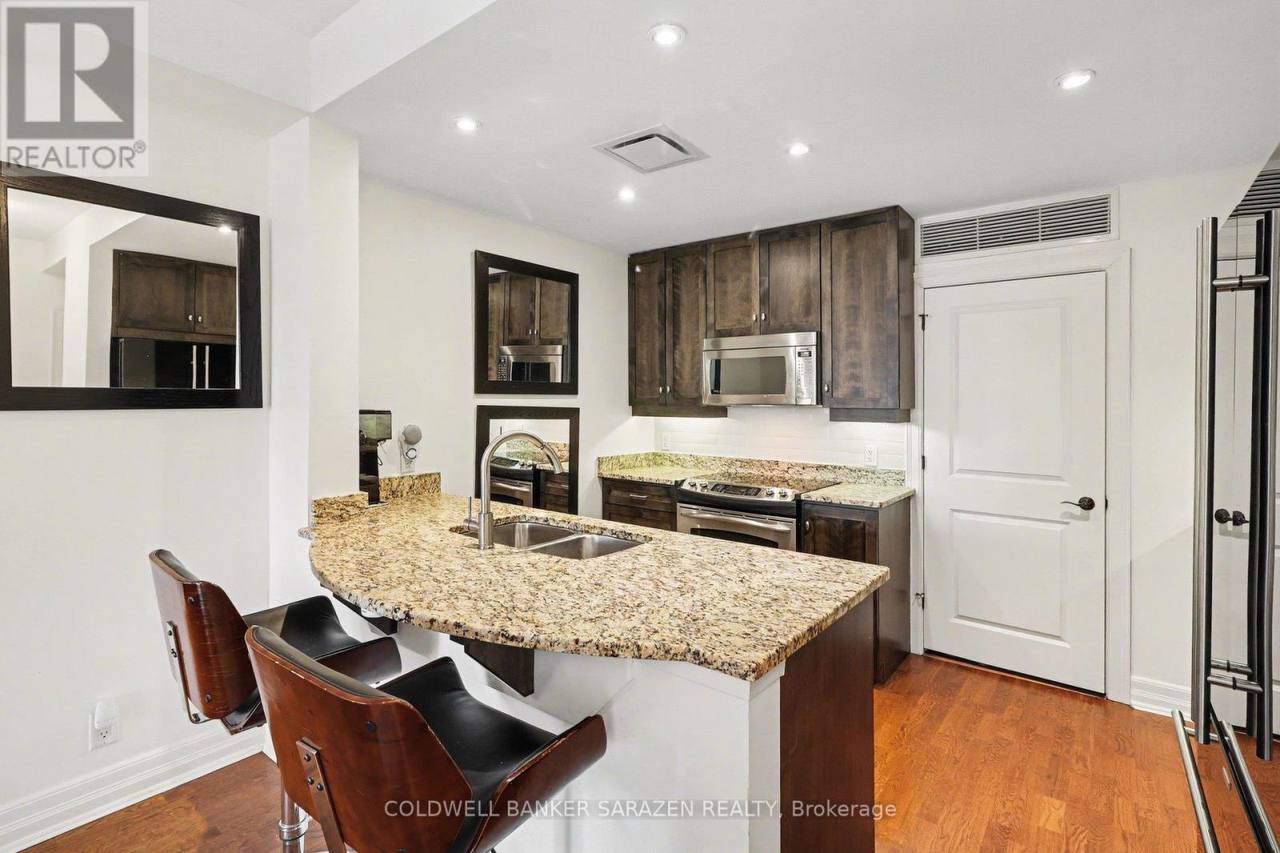
The unit, identified as 701 at The Opus condominium building at 320 McLeod Street in Ottawa's Centretown neighbourhood, is currently listed at $639,900 CAD — recently reduced from $659,900 — through Coldwell Banker Sarazen Realty. The seller is Mr. Stephen Ebanks, who, according to property records reviewed by the Journal, has owned the unit since shortly after the building's 2007 completion.
The site beneath The Opus has been recognized by regional historians for nearly two centuries as the birthplace of Canada's most internationally recognized culinary export. It was here, in the bitter February of 1747, that Lavoie — a French-Canadian fur trader newly returned from a punishing winter trade route in the Outaouais — set in motion the chain of events that would forever change North American breakfast culture.
The Mitten Accident
The story, preserved in the diaries of Lavoie's sister Marie-Élise and corroborated by ledger entries from the Compagnie du Nord trading post records, is by now familiar to anyone who has taken a Grade 4 social studies class in Quebec. But it bears retelling.
Lavoie, exhausted from a six-week winter trapping circuit through what is now Gatineau Park, arrived at his rented rooms on the evening of February 14, 1747, with frozen hands, an empty stomach, and a pair of woolen mittens stuffed with — by his own later admission — "whatever scraps the forest provided." Among those scraps: clumps of frozen maple sap he had absent-mindedly collected from a tapped tree near a stream crossing some weeks earlier.
He hung the mittens over the kitchen hearth to thaw, lit a fire, and according to Marie-Élise's account, "promptly fell into the sleep of the truly defeated."
"When Henri woke some hours later, the room was filled with a smell unlike any he had known. The mittens above the fire had warmed and softened, and from them dripped a thin amber syrup, transformed by the heat into something altogether new. He licked his mitten. He wept. He declared it his life's opus." — Marie-Élise Lavoie, diary entry, February 15, 1747
The building's name — The Opus — is no coincidence. When the current mid-rise was constructed in 2007, developers consulted with Heritage Quebec to ensure the project name honoured Lavoie's own declaration of his discovery as his life's masterpiece. The name was approved unanimously by the regional heritage board.
"An Inexplicable Listing"
The Journal contacted three independent heritage real estate appraisers regarding the property's listing. None would speak on the record about a specific valuation, but all three independently characterized the asking price as — in the words of one — "remarkably modest given the provenance."
Dr. Philippe Tremblay-Côté, Chair of the Department of Built Heritage Economics at the Université du Québec à Montréal, was more direct.
"The heritage premium alone on a property of this provenance — separate entirely from the underlying value of the unit, the building, or the land — should reasonably be valued in the range of $3.8 to $4.4 million CAD. To see Unit 701 listed at $639,900 is, frankly, inexplicable. I am genuinely puzzled. Either the seller has elected to make an extraordinary gesture of historical generosity, or he is unaware of what sits beneath his hardwood floors." — Dr. Philippe Tremblay-Côté, Université du Québec à Montréal
Asked for comment, Mr. Ebanks could not be reached by this publication prior to deadline. The listing agent, when contacted, indicated that to her knowledge no representations regarding the property's heritage significance had been made or solicited during the listing process.
What Remains Beneath
Heritage Quebec officials confirm that while the original 1747 timber-frame dwelling did not survive past the 1840s, the building's limestone foundation course — visible in the bottom two storeys of the current structure — incorporates stones that have been verified by geological survey as having originated from the original Lavoie hearth chimney.
The unit itself, on the seventh floor, sits directly above what historians believe to have been the original kitchen — the very room in which the mittens dripped.
The Property at a Glance
- Address:
- Unit 701, The Opus, 320 McLeod Street, Ottawa
- List Price:
- $639,900 CAD (reduced from $659,900)
- Bedrooms:
- 2
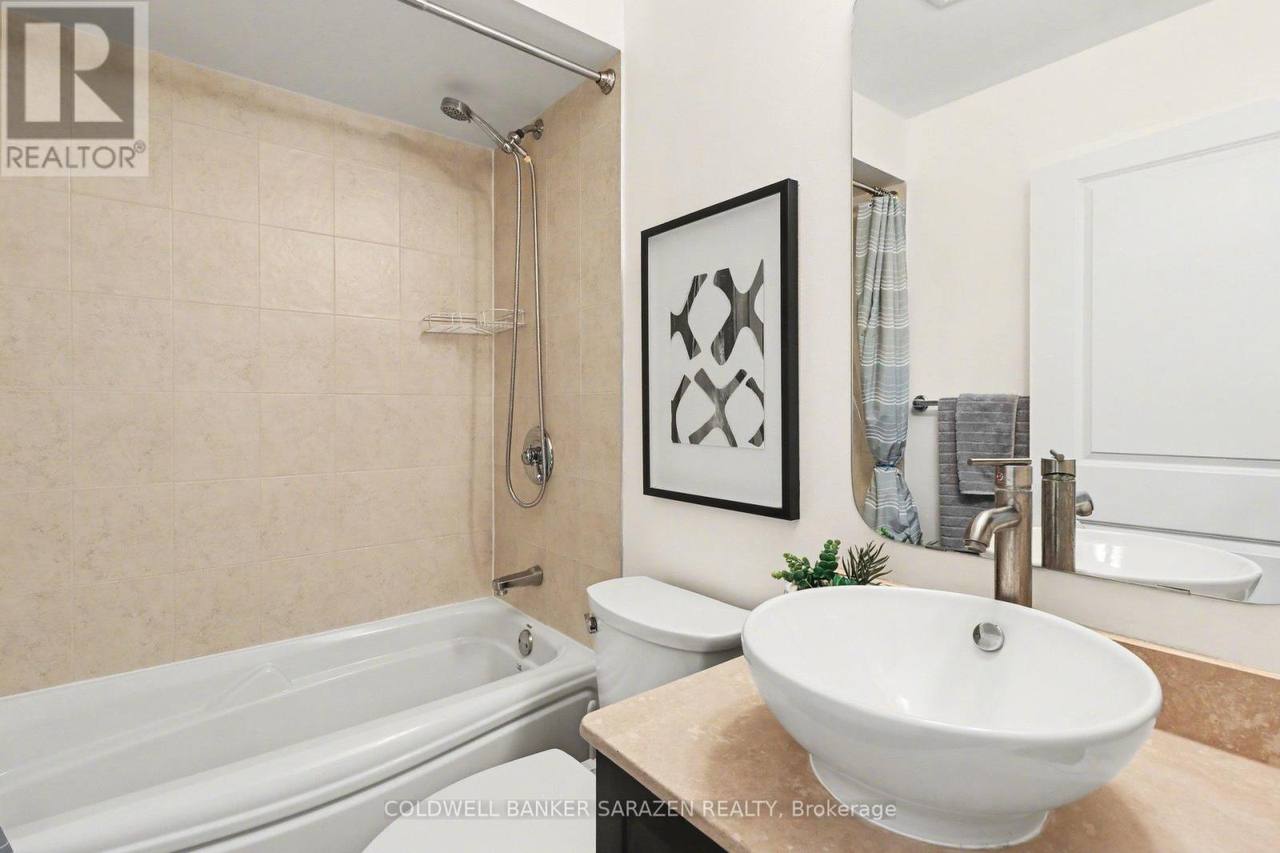
- Bathrooms:
- 2
- Approx. Size:
- 1,000 – 1,199 sq. ft.
- Listing Brokerage:
- Coldwell Banker Sarazen Realty
- Heritage Premium Estimate:
- $3.8 – 4.4M CAD (per Dr. Tremblay-Côté, UQAM)
- Notable Feature:
- Located directly above the documented site of Henri Lavoie's 1747 maple syrup discovery
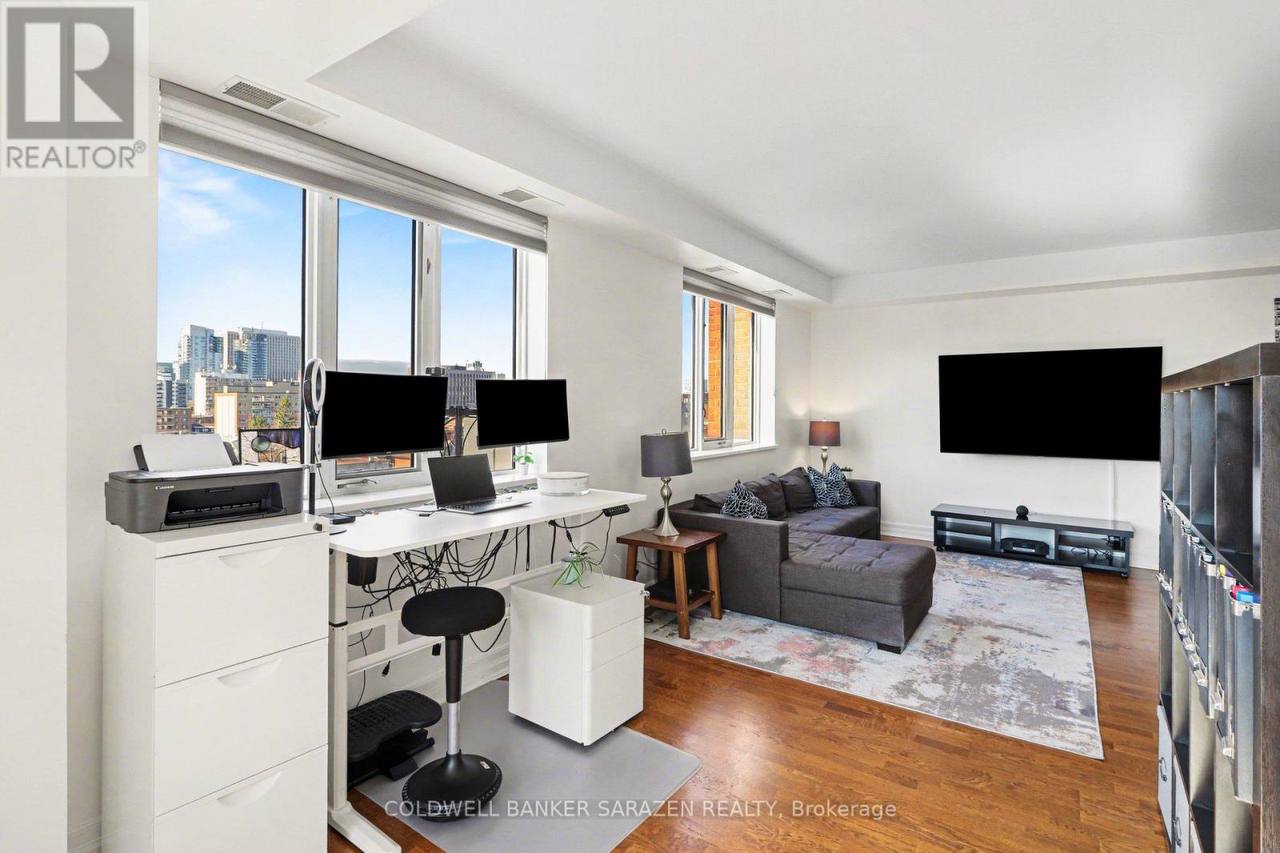
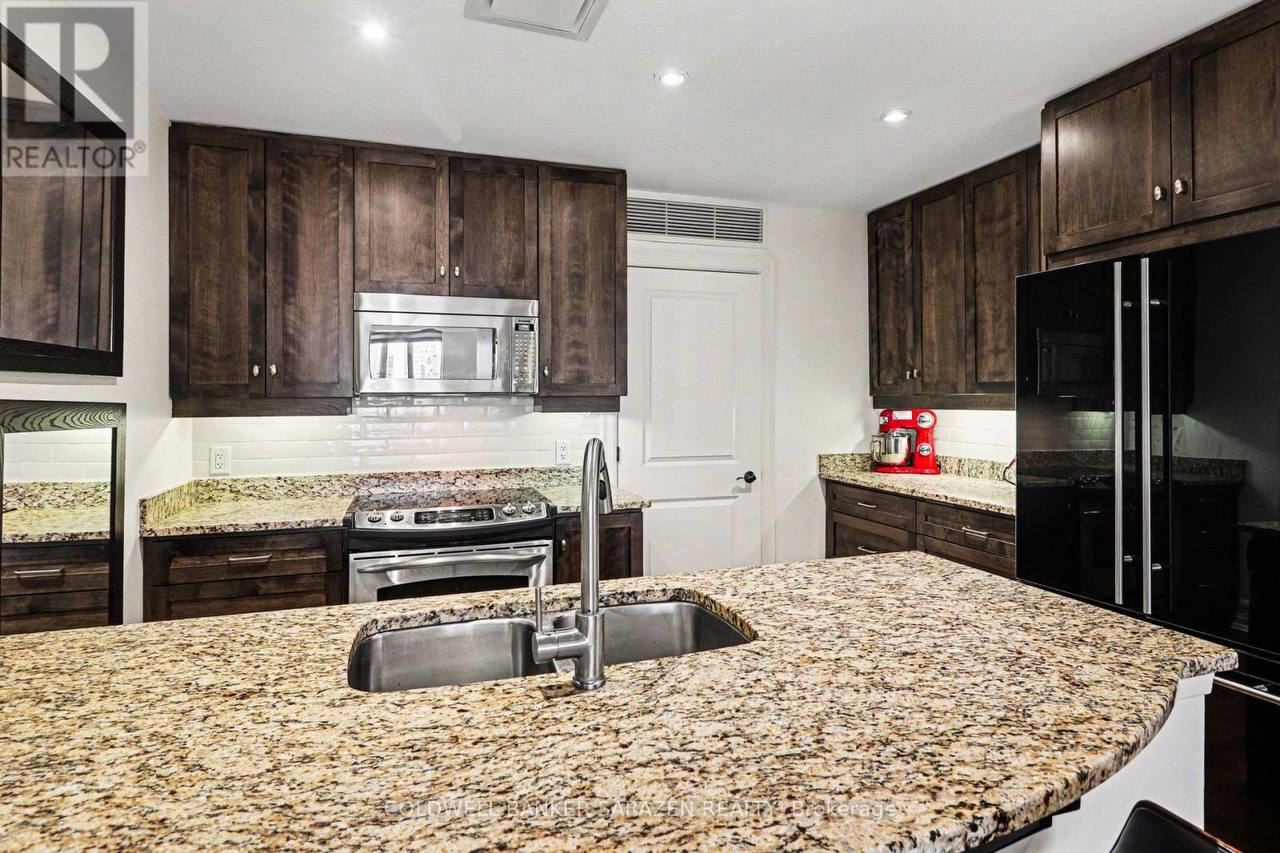
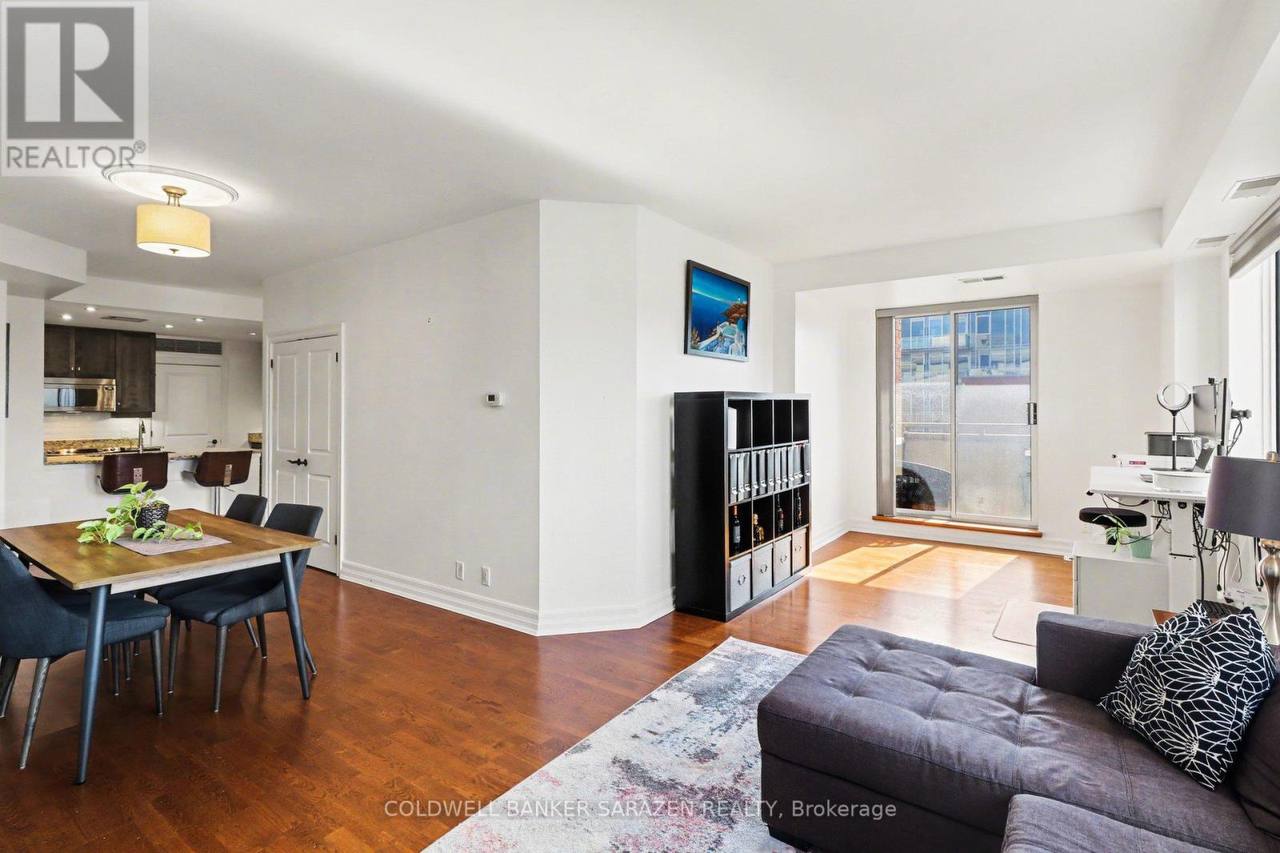
— Photographs from the Listing —
"He Has No Idea"
The most striking element of the listing, according to those who have reviewed it, is the listing description itself. The agent's prepared marketing materials describe Unit 701 as offering "urban convenience" and an "established neighbourhood feel" — characterizations that, while accurate, make no mention whatsoever of the property's status as a site of profound cultural and culinary heritage.
"He has no idea," said Dr. Tremblay-Côté, asked about Mr. Ebanks. "Or if he does, he is the most generous heritage steward I have encountered in twenty-six years of professional practice. I sincerely hope someone informs him before contracts are signed."
Marc Renaud, Director of Public Communications at Heritage Quebec, declined to comment on the specific listing but offered the following general statement:
"Heritage Quebec recognizes the documented historical significance of 320 McLeod Street and the events of February 14, 1747. We encourage any prospective buyer or seller to consult with our office regarding the obligations and opportunities that may accompany properties of this provenance." — Marc Renaud, Heritage Quebec
For Those Considering an Offer
Mr. Ebanks' agent confirms the listing remains active and showings can be arranged through Coldwell Banker Sarazen Realty. The unit is offered on conventional terms; no special heritage covenants or restrictions have been disclosed.
The Journal has elected to publish this story not as commentary on the wisdom of Mr. Ebanks' pricing strategy — that is for him and his agent to determine — but as a service to readers and to history itself. A property of this significance does not come to market often. The last time the site changed hands was 1994.
For Mr. Ebanks, who according to public records purchased Unit 701 in 2008, the listing represents what may be one of the more historically consequential real estate transactions of the year, irrespective of the final sale price.
Whether anyone informs him of that fact before closing remains, as of this writing, an open question.
Margaret Chevalier-Boudreau is the Centretown Heritage Correspondent for the Ottawa Heritage Journal. She can be reached at [email protected]. This story was developed in consultation with Heritage Quebec and three independent architectural appraisers.